Services, When the story needs fixing first.
Strategic Narrative Design
When the problem isn't the design. It's the story. A deep-dive engagement that starts upstream: audience, insight, message architecture, then visual expression.


Who is behind this
I trained in SPIN Selling at Huthwaite, a formal method for asking the questions that surface what a decision-maker actually needs to hear. I run it on your narrative before I open a design file.
- SPIN Selling
- Huthwaite certified
- Oracle Quota Club
- Four years running, carrying $10M+
- Raised $110,000
- For my own company, on my own deck
Some decks can't be saved by better slides, because the problem lives upstream: the argument doesn't hold, the audience was never really defined, or the message tries to be everything to everyone and lands with no one. Redesigning those slides is redecorating a house with cracked foundations.
A Strategic Narrative engagement starts with a diagnostic (why the current story is not working, and for whom) then an audience workshop that surfaces what your room believes, what blocks them, and what has to change. From that comes the message architecture: the argument, the narrative spine, the one sentence that matters.
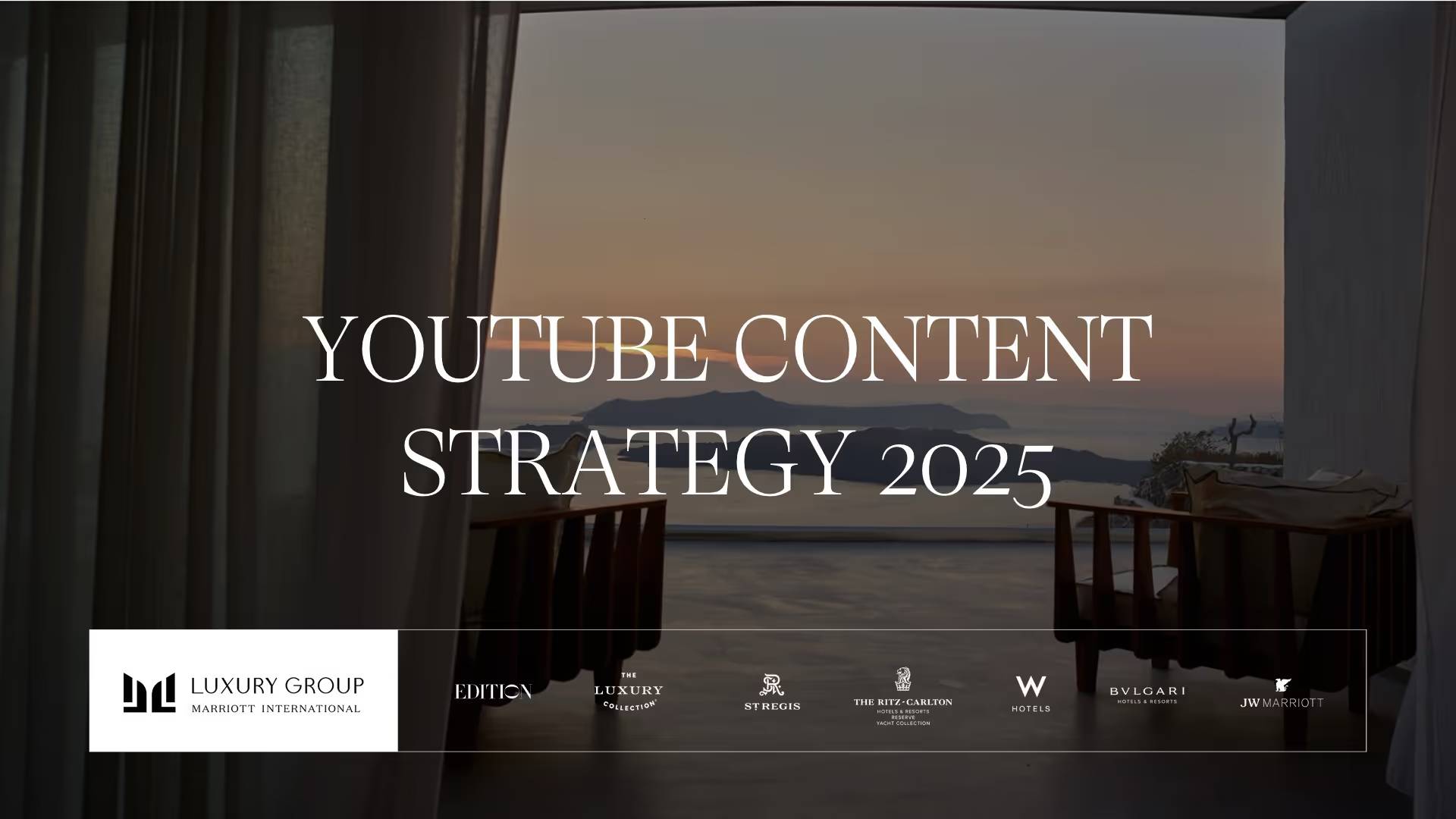
Only then does design begin. Which is why this engagement produces the decks people remember years later: the visuals aren't decorating a story. They're the inevitable expression of one. Chevron's New Energies narrative and Marriott's Luxury Group story both came from this process.
Deliverables
- Audience & insight workshop
- Message hierarchy
- Full deck design
- Presenter coaching notes
Process, 2–4 weeks
- 01, DiagnosticWhy the current story isn't working, and for whom
- 02, Audience workshop2–3 hours covering beliefs, blockers, what needs to change
- 03, Message architectureThe argument, the narrative spine, the one sentence that matters
- 04, Full deck designVisual expression of the new story
- 05, Presenter coachingHow to deliver it, not just read it


Questions, answered
We're pre-product-market-fit. Is it too early for this?
Often it is exactly the right time, because the thing that is unclear is usually the story rather than the product. But be honest with yourself about which one it is. If the positioning genuinely has not settled, narrative work will surface that fast, which is useful and occasionally uncomfortable.
Does this cover the go-to-market narrative, not just a deck?
Yes. The message architecture is format-agnostic: the same spine feeds the pitch deck, the website, the sales one-pager and how the founding team answers the question at a dinner. Most teams come for the deck and find the second use is worth more.
How is this different from hiring a presentation designer?
A presentation designer improves your slides. A strategic narrative engagement questions whether those slides should exist. It's closer to positioning work than design work, the deck at the end is the artifact, not the product.
Who needs to be in the audience workshop?
The people who own the story: usually the presenter, one decision-maker, and whoever knows the audience best. Two to three hours, remote or in person. Larger groups dilute it.
Can we do the narrative work now and design later?
Yes, the message architecture stands on its own and some teams take it in-house from there. Most come back for the design, because expressing a narrative visually is where it either becomes real or dissolves back into bullet points.
What does this cost relative to a standard deck project?
It's the largest engagement I offer, typically two to three times a standard deck, reflecting the workshop and strategy time. It's also the one clients describe as changing how their whole team communicates, not just one presentation.
Ready when you are.
A 30-minute intake call. No forms, no auto-responders, the project, the stakes, and whether there's a fit.
Let's talkAlso see: Pitch & Investor Decks · Executive Presentations · Sales & Agency Decks · Keynotes & Training